
Squint, medically known as strabismus, is a condition where both eyes do not look in the same direction at the same time. One eye focuses normally while the other may turn inward, outward, upward or downward. This misalignment may be constant or may appear occasionally, especially when the child is tired or focusing on distant objects.
In children, this condition is quite common and requires early attention because it can affect proper visual development. If untreated, the brain may start ignoring the weaker eye, leading to a condition called lazy eye (amblyopia).
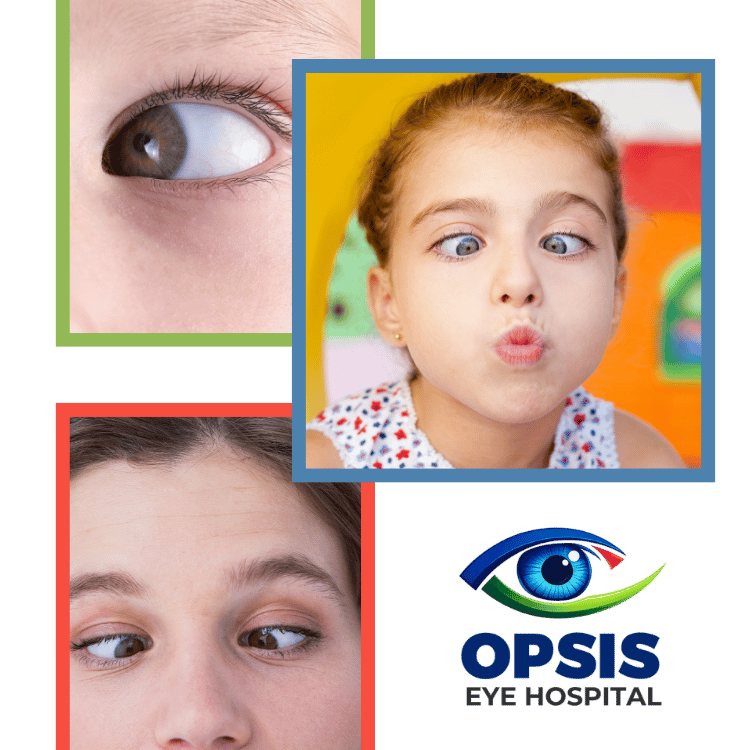
Parents play a crucial role in early detection. Some important warning signs include:
If any of these symptoms are noticed, a prompt eye examination is essential.
Squint can be classified based on the direction of eye deviation:
It may also be:
Squint usually occurs due to poor coordination between the brain and eye muscles. Some common causes include:
A complete eye evaluation is necessary to identify the exact cause.
Early diagnosis and treatment are critical because:
Delaying treatment, especially beyond 6 months after detection, can reduce the chances of full recovery.
At Opsis Eye Hospital, children undergo a detailed and child-friendly evaluation, which may include:
These tests help create a personalized treatment plan for each child.
Not all squints require surgery. Many cases can be managed effectively with:
When non-surgical methods are not sufficient, squint surgery is recommended.
At Opsis Eye Hospital, pediatric eye care goes beyond just treating squint. A child’s visual system is still developing, which makes early screening, accurate diagnosis and timely intervention extremely important. Regular eye check-ups help detect hidden vision problems such as refractive errors or lazy eye at an early stage, ensuring that a child achieves optimal visual development and performs better academically and socially.
The hospital offers comprehensive care for conditions like refractive errors (myopia, hypermetropia, astigmatism), where customized glasses are prescribed to ensure clear vision. Specialized treatment for amblyopia (lazy eye), including patching therapy and vision exercises, helps strengthen the weaker eye and prevent long-term visual impairment. In addition, prompt management of eye infections, allergies and injuries ensures that minor issues do not turn into serious complications.
With a focus on child-friendly care, continuous vision development monitoring is carried out to track improvements and adjust treatment plans as needed. The goal is not just to treat eye conditions but to support healthy vision growth, better eye coordination and overall well-being of every child through personalized and compassionate care.
At Opsis Eye Hospital, comprehensive pediatric eye care includes:
If your child shows any signs of squint or vision problems, early consultation can make a life-changing difference. Visit Opsis Eye Hospital for expert diagnosis and complete pediatric eye care.
Get simple, helpful answers to your questions and take the next step towards healthier, clearer vision.
Squint is a condition where both eyes are not aligned properly and look in different directions. One eye may focus on an object while the other turns inward, outward, upward, or downward.
Squint should be treated as early as possible. Early treatment, especially within a few months of detection, helps prevent permanent vision problems and improves the chances of full recovery.
Yes, many cases can be managed without surgery using:
However, some cases may require surgery for proper alignment.
Yes, squint surgery is safe and commonly performed. Modern techniques ensure high success rates with minimal risks. Most children recover quickly and resume normal activities within a few weeks.
If untreated, squint can lead to:
In some children, especially those with refractive errors, glasses alone can correct squint. In other cases, glasses help improve vision but may need to be combined with other treatments.
Lazy eye is a condition where one eye has reduced vision because it is not used properly. It often develops due to untreated squint or refractive errors and requires early treatment.
Diagnosis involves a detailed eye examination including:
Most children recover within 2–3 weeks, although complete healing and alignment monitoring may take a few months with follow-up visits.
You can consult experienced specialists at Opsis Eye Hospital for advanced and child-friendly squint and pediatric eye care.
Our experts bring years of trusted experience in advanced eye care and treatment.Focused on providing personalized solutions for clearer, healthier vision.

Dr. Nishant Singh is a highly experienced Cataract Surgeon in Ghazipur, with more than 15 years of expertise in advanced eye care. He holds an MBBS and MS (Gold Medalist) from MLNMC, Allahabad and is known for his precision in squint treatment and oculoplasty surgery.
As a Consultant Eye Surgeon, he is dedicated to providing safe, effective and patient-centered care. His commitment to excellence and use of modern techniques ensure improved vision outcomes and enhanced patient satisfaction across all age groups. He is trusted for delivering consistent results with utmost professionalism.
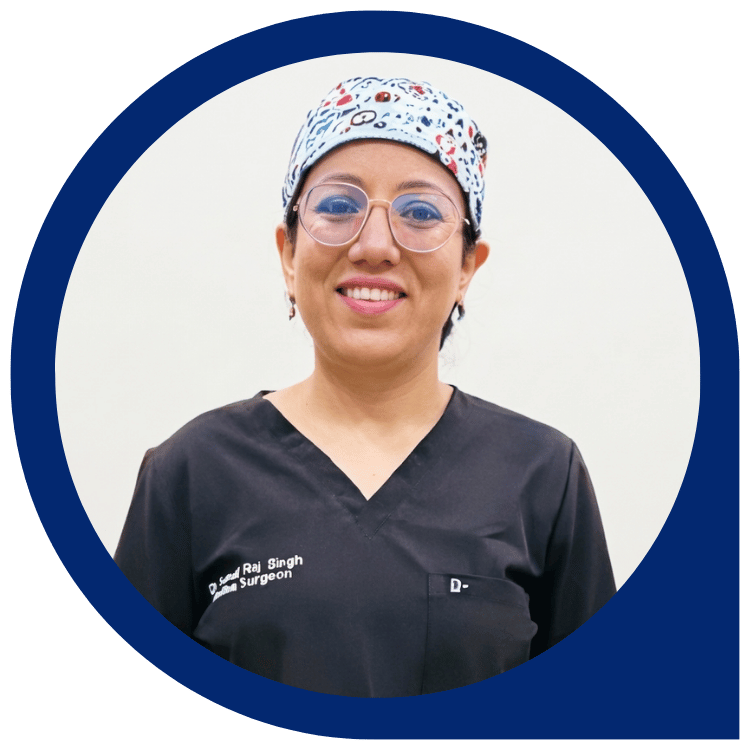
Dr. Sonali Raj Singh is an experienced ophthalmologist in Ghazipur, with over 12 years of successful experience in the field of retinal diseases (related to medicine and surgery). After completing her MBBS from Bangalore, she has done her MS in Ophthalmology from Meerut.
Following her studies, she completed a medical retina fellowship at Sadguru Netra Chikitsalaya, Chitrakoot, followed by a fellowship in vitreo-retina from C.L. Gupta Eye Institute, Moradabad and L.V. Prasad Eye Institute, Hyderabad – two of India’s leading ophthalmic centers of excellence.
With access to
Don't wait in times of need - reach out to us now, we are here to help you instantly.

Opsis Eye Hospital, Saidpur, Chiraiyakot Road, Shrifpur, Saidpur, Ghazipur – 233304
600-200-5900